Male Pelvic Floor Dysfunction

Male Pelvic Floor Dysfunction: The Missing Piece Behind Pain, Urinary Issues, and Sexual Health in Men Most men don’t think about their pelvic floor until something starts to feel off. It might begin subtly. You’re going to the bathroom more often. Your stream isn’t as strong. There’s tension, discomfort, or a dull ache you can’t…

Flexibility

How Does Flexibility Work? Have you ever wondered how dancers become so flexible? It’s not a gift they’re born with. Rather, it’s a skill that can be learned. The available range of motion of a joint depends on three things: joint structure, muscles, and the nervous system. Joint Structure First, let’s explore joint structure. The…

3 Bs of Backbends Version 2

The Three Bs of Backbends: The Benefits, What to Beware, and How to Begin or Advance Your Practice Safely

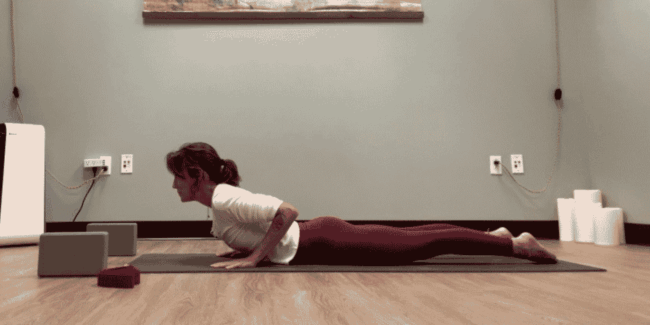
The cliché “don’t bend over backwards,” serves as a key reminder to not overextend ourselves, however, backbends are important to maintaining a healthy lifestyle. Backbends have a variety of key health benefits. It is also essential to understand what to balance while back-bending to prevent short and long-term back injuries, and how to practice backbends…

Muscle Testing in Clinical Practice

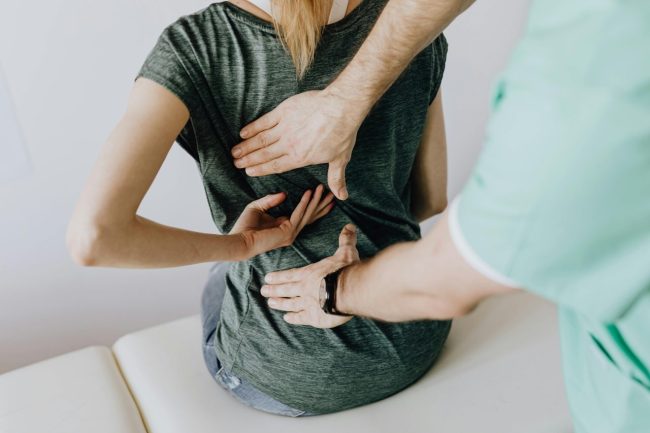
What is muscle testing? Muscle testing is a practical technique that can be used clinically for numerous reasons. Simply put, a muscle testing in a clinical practice is when a practitioner tests the strength of a muscle of the body. During a muscle test, the practitioner uses a small amount force against a specific muscle…

Why Hypermobility Needs a Different Approach in Physical Therapy

If you’ve ever been told you’re “just flexible” or dismissed when your body feels unstable or painful, you’re not alone. Hypermobility often flies under the radar in traditional physical therapy—yet it requires a completely different approach to truly support your body. Hypermobility Isn’t Just About Being “Bendy” Hypermobility means your joints move beyond the typical…