Craniosacral Therapy: A Gentle Approach to Nervous System Support
In today’s fast-paced world, many people live in a near-constant state of stress. Deadlines, digital overload, and daily responsibilities can keep the body’s nervous system stuck in “fight or flight” mode. As a result, people often experience fatigue, tension, anxiety, headaches, sleep disturbances, and chronic pain. One gentle, holistic approach that aims to support the nervous system and restore balance is craniosacral therapy (CST).
What Is Craniosacral Therapy?
Craniosacral therapy is a light-touch bodywork modality that focuses on the craniosacral system—the membranes and fluid that surround and protect the brain and spinal cord. Practitioners use subtle hand placements, often applying no more pressure than the weight of a coin, to evaluate and support the movement of cerebrospinal fluid and the tissues around the head, spine, and pelvis.
The goal of CST is to help release restrictions in the body that may be affecting the central nervous system. When these restrictions ease, the body may shift into a more relaxed, regulated state that supports natural healing processes.
The Nervous System Connection
The nervous system acts as the body’s communication network. It regulates everything from heart rate and digestion to mood and sleep. When the system is under chronic stress, the sympathetic nervous system (the “fight or flight” response) can dominate, making it difficult for the body to rest and recover.
Craniosacral therapy aims to encourage activation of the parasympathetic nervous system—the “rest and restore” state. Many clients report feeling deeply relaxed during sessions, sometimes entering a meditative or dreamlike state. This shift can help the body reset patterns of tension and stress that may have built up over time.
Potential Benefits
While experiences vary from person to person, individuals often seek craniosacral therapy for support with:
- Stress and anxiety
- Headaches and migraines
- Neck and back tension
- Sleep challenges
- Nervous system dysregulation
- Recovery from emotional or physical trauma
- Chronic pain conditions
Many people also use CST as a preventative wellness practice, helping maintain balance in the body before symptoms become overwhelming.
What a Session Feels Like
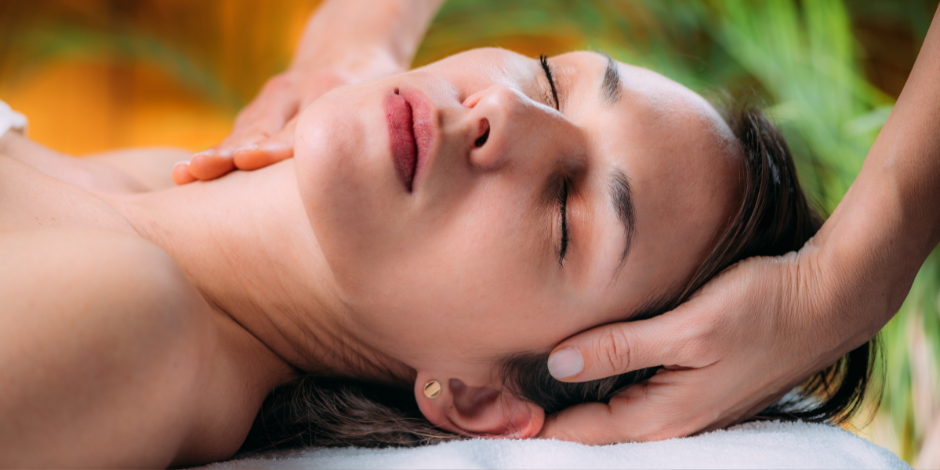
A craniosacral therapy session typically takes place in a quiet, comfortable setting. Clients remain fully clothed and lie on a treatment table while the practitioner gently places their hands on specific areas such as the head, neck, sacrum, or shoulders.
Because the touch is extremely light, the experience often feels subtle. Some people notice warmth, gentle pulsations, or soft releases in the body. Others simply feel deeply calm. It’s also common for emotions or memories to surface as the nervous system relaxes and releases stored tension.
Supporting the Body’s Natural Healing
One of the core principles behind craniosacral therapy is that the body has an inherent ability to self-correct and heal. Rather than forcing change, CST practitioners work with the body’s natural rhythms to encourage greater balance.
For individuals experiencing stress-related symptoms or seeking a gentle way to support nervous system health, craniosacral therapy can be a valuable addition to a holistic wellness routine alongside practices like mindfulness, movement, and proper rest.
A Gentle Path Toward Regulation
In a culture that often pushes the body beyond its limits, modalities that emphasize slowing down and listening inward can be powerful. Craniosacral therapy offers a quiet, subtle approach to reconnecting with the body and supporting the nervous system’s return to a more balanced state.
As with any wellness practice, it’s helpful to consult with qualified practitioners and healthcare professionals to determine whether craniosacral therapy is appropriate for your individual needs. For many people, however, it becomes a restorative space—one where the nervous system can finally exhale.
Meet Dr. Alcorn
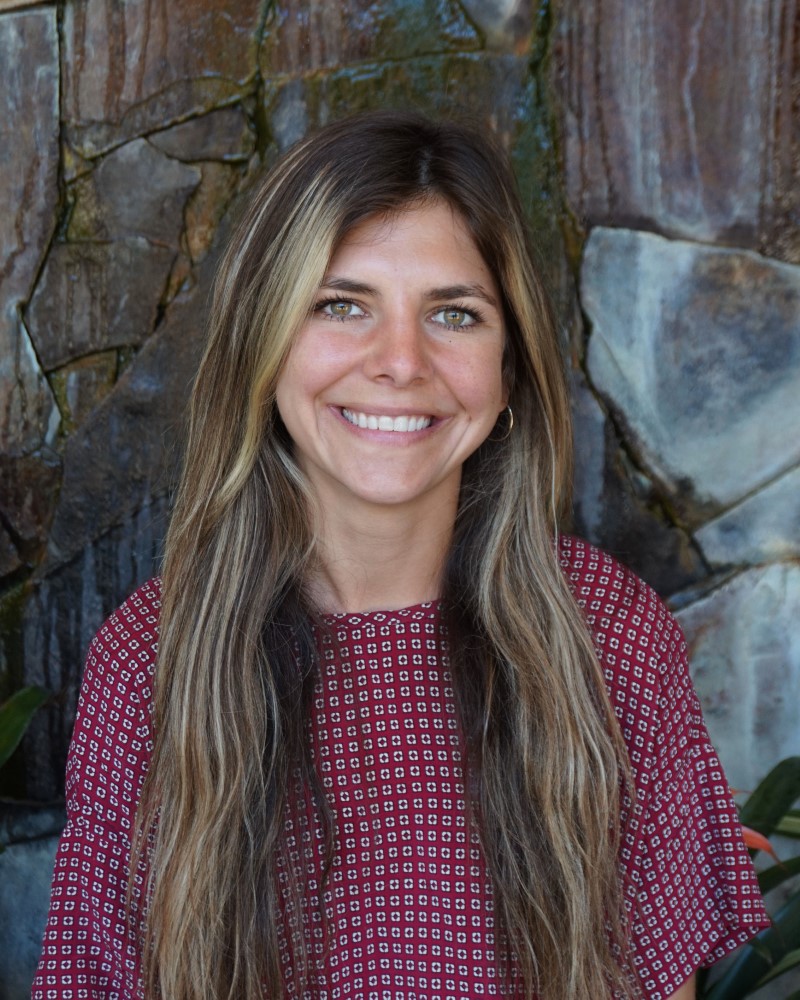 To schedule an appointment with Dr. Alcorn, call 503-956-9396 or contact us now to schedule an appointment today.
References
- Ceballos-Laita L, Ernst E, Carrasco-Uribarren A, Cabanillas-Barea S, Esteban-Pérez J, Jiménez-del-Barrio S. Is craniosacral therapy effective? A systematic review and meta-analysis. Healthcare (Basel). 2024;12(6):679. doi:10.3390/healthcare12060679.
- Haller H, Lauche R, Cramer H, Rampp T, Saha FJ, Ostermann T, Dobos G. Craniosacral therapy for the treatment of chronic neck pain: a randomized sham-controlled trial. Clinical Journal of Pain. 2016;32(5):441-449. doi:10.1097/AJP.0000000000000290.
- Muñoz-Gómez E, Inglés M, Aguilar-Rodríguez M, Mollà-Casanova S, Sempere-Rubio N, Serra-Añó P, Espí-López GV. Effect of a craniosacral therapy protocol in people with migraine: a randomized controlled trial. Journal of Clinical Medicine. 2022;11(3):759. doi:10.3390/jcm11030759.
- Castejón-Castejón M, Murcia-González MA, Martínez Gil JL, et al. Effectiveness of craniosacral therapy in the treatment of infantile colic: a randomized controlled trial. Complementary Therapies in Medicine. 2019;47:102164. doi:10.1016/j.ctim.2019.07.023.
- 5. Ernst E. Craniosacral therapy: a systematic review of the clinical evidence. Focus on Alternative and Complementary Therapies. 2012;17(4):197-201. doi:10.1111/j.2042-7166.2012.01174.x.
- 6. Green C, Martin CW, Bassett K, Kazanjian A. A systematic review and critical appraisal of the scientific evidence on craniosacral therapy. Vancouver, BC: University of British Columbia; 1999.
- 7. Ghasemi C, Amiri A, Sarrafzadeh J, Dadgoo M. Effects of craniosacral therapy and sensorimotor training on pain, disability, depression and quality of life in patients with nonspecific chronic low back pain: a randomized clinical trial. Anaesthesia, Pain & Intensive Care. 2021;25(2):189-198