When most people hear the word hypermobility, they think of someone who is “double-jointed” or unusually flexible. While that can be true, hypermobility is much more than being able to touch your toes or bend your fingers in unusual ways.
Joint hypermobility simply means that a person’s joints move beyond the typical range of motion. For many people, this causes no problems at all. Others, however, experience pain, frequent sprains, joint instability, fatigue, or symptoms that affect multiple body systems.
One of the biggest misconceptions about hypermobility is that flexible joints should feel loose and relaxed. In reality, many people with hypermobility feel exactly the opposite.
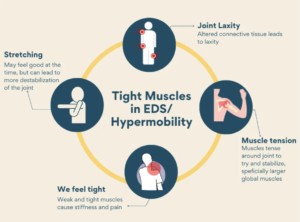 Our ligaments and connective tissues normally help stabilize our joints. When those tissues are more flexible, the surrounding muscles must work overtime to provide support. This constant effort can leave muscles feeling tight, sore, stiff, and even weak. These muscles are often “guarding” the joints to create stability, which is why simply stretching isn’t always the answer. In fact, many of the larger muscles in the body end up performing jobs they weren’t designed to do. Instead of the smaller stabilizing muscles controlling joint position, the larger “power” muscles compensate. This new muscle recruitment provides a false stability to the joints, which can also lead to locking or hyperextend as a form of finding stability.
Over time, they become fatigued, painful, and inefficient. This is why treatment focuses on improving stability rather than increasing flexibility.
How Chiropractic Care Can Help
For individuals with hypermobility, chiropractic care looks different than it does for someone with a stiff or restricted spine. The goal is not to increase joint motion in joints that are already excessively mobile. Instead, treatment focuses on improving function, reducing pain, and enhancing stability.
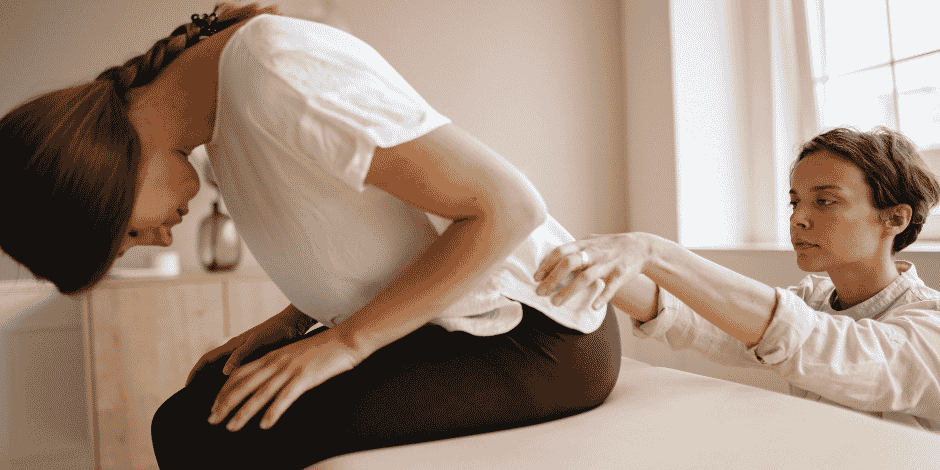
A chiropractor experienced in treating hypermobility can identify areas where muscles are overworking to compensate for joint instability and where movement patterns may be contributing to pain. Treatment may include soft tissue therapy to address muscle guarding, targeted rehabilitation exercises to improve strength and proprioception, breathing and postural retraining, and education on pacing daily activities to reduce symptom flare-ups.
Types of Treatment
When joint manipulation is appropriate, it should be used thoughtfully and selectively. Many people with hypermobility benefit more from gentle manual therapy or tool based adjustments and stabilization exercises than from frequent or aggressive adjustments. Every treatment plan should be individualized based on the person’s symptoms, stability, and overall health.
Managing hypermobility requires more than simply increasing strength or flexibility. The goal is to help your body develop better stability and movement patterns. Treatment may include low-load strengthening, proprioception (body awareness) training, balance exercises, gentle dynamic stretching, breathing techniques, manual therapy, and lifestyle modifications to help manage symptoms such as fatigue or dysautonomia. Because hypermobility affects each person differently, no two treatment plans should look exactly the same.
Your Symptoms Are Real
Perhaps the most important message is this: your symptoms are real. Many people with hypermobility spend years searching for answers after being told they’re simply anxious, deconditioned, or “too flexible.” While hypermobility can affect many different systems in the body, understanding how these systems work together allows us to create an effective treatment plan. With the right combination of education, rehabilitation, and hands-on care, many people with hypermobility can improve their stability, reduce pain, and move with greater strength, confidence, and comfort.
About the Author
 As a provider, Jade Armstrong, DC, believes the most effective approach to find functional movement is to do what feels accessible and beneficial for your body. Small movements can be powerful and impact our pain in huge ways. The body is designed to move, adapt, and heal. When we stop moving well, pain and dysfunction often follow. In restoring healthy movement patterns and improving function, Jade’s patients can feel empowered to take an active role in their care. Rather than simply masking symptoms, Jade works with you to address the root causes of your discomfort so you can move with confidence and live more fully.