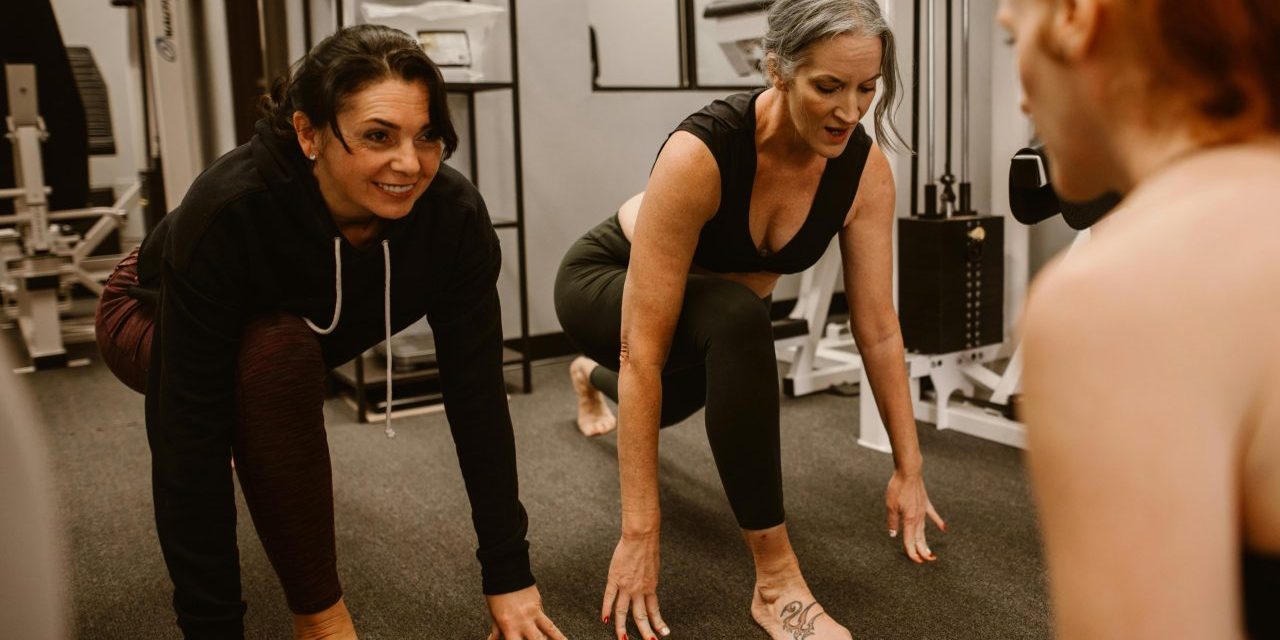
Are you going through menopause and wondering what kind of exercise is best for your body right now? You’re not alone. As hormones shift and symptoms emerge—like fatigue, hot flashes, or changes in body composition—many women find themselves searching for the right kind of movement to feel strong and supported.
Let’s explore why strength training during menopause is one of the most impactful tools available—and how it can support your long-term health.
Top 8 Benefits of Strength Training for Menopausal Women
1. Build Muscular Strength and Daily Function
- Strength training significantly increases both upper- and lower-body muscular strength in postmenopausal women, enhancing daily functional capacity and independence.
- These improvements are not limited by age or intervention duration, indicating that benefits are accessible at any stage of menopause. References: 2, 4, 5
2. Preserve Bone Health
- Estrogen decline during menopause accelerates bone loss. Resistance training stimulates bone remodeling and increases bone mineral density, especially in the femur.
- Women engaging in strength training experience more stable vertebral bone structure than those who are sedentary or performing unsupervised home routines. References: 1, 2, 3
3. Maintain Muscle Mass
- Aging and hormonal changes during menopause contribute to sarcopenia (loss of muscle mass).
- Resistance training helps counteract this through increased muscle protein synthesis and neuromuscular adaptation, preserving functional mobility. References: 2, 3, 5
4. Improve Cardiometabolic Health
- Strength training improves insulin sensitivity, reduces blood pressure, and lowers cardiovascular disease risk, which are increasingly relevant after menopause.
- Enhancements in cardiorespiratory fitness and favorable metabolic and hormonal changes further support cardiovascular health. References: 3, 4
5. Reduces Body Fat and Supports Metabolism
- Resistance training helps reduce fat mass while increasing lean muscle, improving resting metabolic rate and aiding in weight management—a common postmenopausal challenge.
- Functional nutrition is an important complement to these metabolic benefits. References: 1, 2, 3
6. Reduce Menopausal Symptoms
- Studies report a reduction in hot flash frequency and severity, along with improvements in physical activity levels and pelvic floor strength among strength-training participants.
- Symptoms such as joint pain and mobility limitations may also improve, enhancing overall quality of life. References: 1, 2
7. Enhance Joint Stability and Prevent Falls
- Strength training improves stability, flexibility, balance, and mobility by strengthening the muscles around key joints.
- This reduces the risk of falls and related injuries, which are more common as estrogen levels decline. References: 3, 5
8. Boost Cognitive and Mental Health
- Strength training supports brain health by promoting neuroplasticity and may reduce the risk of cognitive decline, a concern for many in later life. Reference: 3
Is Strength Training Safe?
Yes—and starting in midlife or later is not only safe but highly beneficial. You don’t need to lift heavy weights or belong to a gym to see results. Many women begin with resistance bands, bodyweight movements, or light dumbbells, ideally guided by a knowledgeable practitioner or trainer.
Tips for getting started:
- Focus on proper form and breath awareness
- Use slow, controlled movements
- Choose functional exercises that support daily life
- Include recovery time between sessions
Working with a provider who offers trauma-informed care ensures that your movement plan feels supportive and empowering, not overwhelming.
A Whole-Body Approach to Strength and Wellness
At Heart Spring Health, we take a whole-person approach to care. Strength training is most effective when it’s integrated with other forms of support, including:
- Naturopathic medicine and hormone balancing
- Functional nutrition for metabolism, energy, and body composition
- Trauma-informed care to support emotional and physical resilience
- Holistic wellness strategies like yoga, breathwork, and bodywork
This kind of integrative healthcare helps our patients build strength from the inside out.
Let’s Build Strength Together
If you’re ready to explore how strength training can support your health through menopause, we’re here to help you build a safe, effective, and sustainable plan.
Schedule a visit with a Heart Spring Health provider to take the first step.
References
- https://pubmed.ncbi.nlm.nih.gov/36283059/
- https://pmc.ncbi.nlm.nih.gov/articles/PMC9864448/
- https://www.princetonmedicine.com/blog/the-science-behind-strength-training-for- postmenopausal-women-a-sports-medicine-perspective
- https://www.frontiersin.org/journals/cardiovascular-medicine/articles/10.3389/ fcvm.2023.1190187/full
- https://www.bbc.com/news/articles/c75zqze27kzo
- https://pubmed.ncbi.nlm.nih.gov/36675477/
- https://physoc.onlinelibrary.wiley.com/doi/full/10.1113/EP092191
- https://pmc.ncbi.nlm.nih.gov/articles/PMC10559623/
- https://www.sciencedirect.com/science/article/pii/S2095254623000972
- https://www.frontiersin.org/journals/physiology/articles/10.3389/fphys.2023.1054424/full