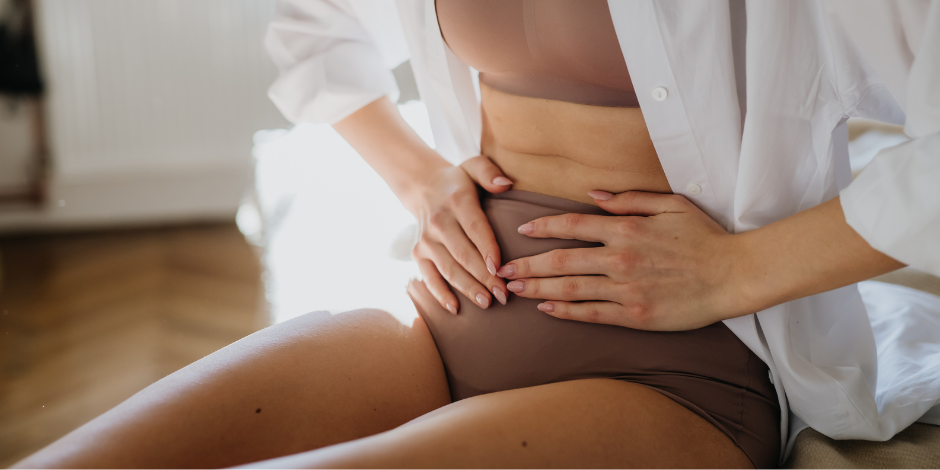
Premenstrual Syndrome (PMS) is a very common condition, affecting up to 3 out of 4 menstruating individuals, according to the Mayo Clinic. Due to this high prevalence, many people normalize the experience, assuming physical and emotional symptoms are just an expected “part of being on your period.”
- Physical symptoms: joint and muscle pain, headaches, bloating, breast tenderness, acne, etc.
- Emotional symptoms: anxiety, depressed mood, irritability, mood swings, insomnia, etc.
These symptoms can make menstruation unpleasant at best and significantly impact daily life at worst. The good news is that you don’t have to accept them as an inevitable part of your cycle. Foundational lifestyle approaches offer valuable and effective treatment approaches addressing root causes, but are often overlooked in favor of quick pharmaceutical fixes for symptom management. Below, we’ll explore these foundational strategies and how they can help create a new “normal” for you and your cycle.
Stress Management: Protect Your Hormonal Balance
In order to have a well-balanced menstrual cycle, sufficient hormone production is necessary to support both the estrogen-dominated follicular phase (the first half) and the progesterone-dominated luteal phase (the second half) of your cycle.
Chronic stress can disrupt this balance. The adrenal glands, which sit on top of your kidneys, produce cortisol, our main stress hormone. When cortisol levels remain high, it can interfere with glands in the brain that regulate estrogen and progesterone production. Cortisol, estrogen, and progesterone are also all made from the same precursor building block, cholesterol. During chronic stress, the body may prioritize using this building block for cortisol production over reproductive hormones, which is why managing stress levels helps maintain hormonal harmony.
Exercise: Circulation, Endorphins, and Regulation
Regular exercise is not only stress-relieving but also enhances circulation, boosts endorphin production, and regulates hormones, making it a powerful tool for reducing PMS symptoms. A systematic review found that women completing just 30 minutes of aerobic exercise 3–5 times per week for 10 weeks significantly reduced bloating, cramps, fatigue, and mood swings associated with menses. Below are three of the key things that happen when you exercise regularly that help you experience a happier cycle.
- Enhances circulation: Blood and lymph flow support the delivery of oxygen and nutrients to the reproductive organs and help clear metabolic waste. Improved pelvic circulation can ease uterine tension, reduce cramping, and support balanced hormone signaling.
- Boosts endorphins: Endorphins are part of the body’s natural pain-control and stress-reduction system. They bind to opioid receptors in the brain, reducing the perception of pain and helping regulate mood leading up to and during your bleed.
- Regulates hormones: Exercise influences cortisol and insulin levels, contributing to overall hormonal balance. Moderate, regular exercise helps lower baseline cortisol levels over time by improving the body’s stress resilience. Exercise also increases insulin sensitivity, meaning that cells become more efficient at using glucose for energy. When blood sugar levels are stable, the body experiences fewer spikes and crashes that trigger cortisol release. This helps reduce chronic stress signaling and supports a healthier cortisol rhythm and overall hormonal balance throughout the day.
Adequate Nutrition
Maintaining a balanced intake of vitamins and minerals is essential for hormonal regulation. Nutrients influence how hormones are produced, metabolized, and function within the body. For example, deficiencies can disrupt communication between the brain and endocrine glands, while imbalances in fat storage and blood sugar can alter estrogen and progesterone levels.
Studies show that women with PMS can have lower intracellular magnesium levels. Good dietary sources of magnesium include nuts, seeds, legumes, and dark leafy greens – all foods that are lacking in the Standard American Diet which (SADly) emphasizes processed foods and refined grains over plant-based, whole foods. Unfortunately, even someone eating a whole-foods diet may struggle to achieve adequate magnesium, due to soil depletion further limiting nutrient availability in fruits and vegetables grown today. This is where supplementation can be helpful.
Increasing dietary intake of nutrients and minerals including magnesium and supplementing when appropriate can help support hormonal balance and reduce PMS symptoms.
Change Takes Time
Hormones are slow-moving chemical messengers, with effects that develop over days and weeks. Consistency with stress management, exercise, and nutrient-rich eating is key for noticeable benefits. Starting these habits early in your cycle increases the likelihood of improved symptoms when your period comes.
If you’d like support implementing these foundational strategies, which can also take time, we invite you to schedule a visit with one of our naturopathic doctors to create an individualized plan for hormonal health and cycle support.
Schedule a consultation today.
Meet Dr. Nelson
 Sarah Nelson is a naturopathic doctor dedicated to the science and art of healing, as well treating the whole you. She works closely with the mind-body connection, and believes the most effective treatments include the integration of her patients’ physical, mental, and spiritual well-being. Her approach is both curious and nonjudgmental in nature.
To schedule an appointment with Dr. Nelson, call 503-956-9396 or contact us now to schedule an appointment today.
References
- Hasani N, Kazemi M, Karimi Afshar H, Kazemi M, Tavakoli M. The effect of 8 weeks aerobic exercise on the symptoms of premenstrual syndrome: a clinical trial study. BMC Women’s Health. 2018;18:56. BioMed Central.
- Kennedy DO, et al. Oral magnesium successfully relieves premenstrual mood changes: a double‐blind, randomized study. J Affective Disorders. 2001;63(1-3):¯.
- Mayo Clinic Staff. Premenstrual syndrome (PMS) – Symptoms & causes. Mayo Clinic. 2022; (Feb 25). Mayo Foundation for Medical Education and Research.
- Ravichandran R, Janakiraman R. Effect of Aerobic Exercises in Improving Premenstrual Symptoms Among Healthy Women: A Systematic Review of Randomized Controlled Trials. PM &R. 2022; xx(x):xx–xx. PubMed+1.
- Zarei S, et al. The Association Between Serum Magnesium and Premenstrual Syndrome: A Systematic Review and Meta-Analysis of Observational Studies. Nutr J. 2019;18:57-. PubMed.