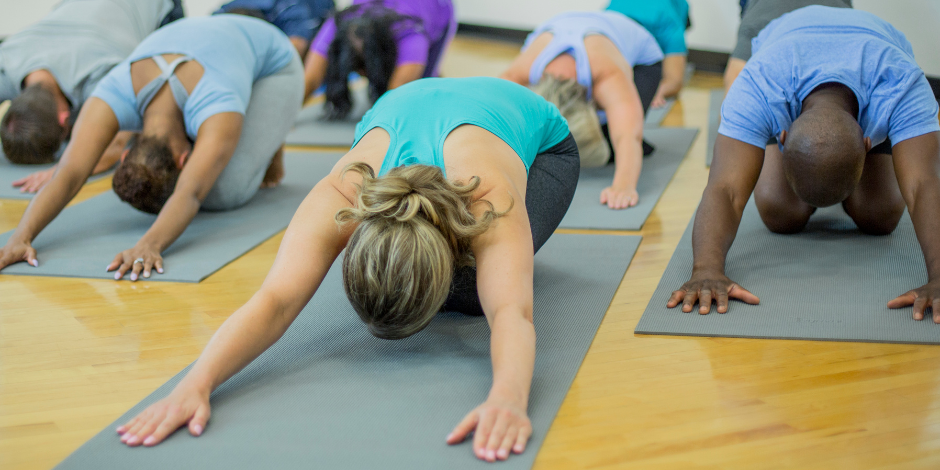
Can Yoga Can Offer Respite, Insight, and Healing from Chronic Pain?
In this post I’d first like to invite you to attend Yoga for Chronic Pain on Fridays, 3:00-4:15 at Heart Spring Health. I’d also like to share some information about the following:
- Science related to chronic pain and neuroplasticity;
- The benefits of yoga for chronic pain; and
- What you can expect when you attend Yoga for Chronic Pain at Heartspring Health.
I want to begin with acknowledging the suffering that chronic pain can cause in mind, body, and heart. It can exhaust inner resources. It can bring isolation and loneliness. And, alongside this reality, I also want to honor the profound strength, courage, and resilience needed to navigate life with chronic pain.
Positive and Stress-Induced Neuroplasticity
Neuroplasticity refers to the brain’s lifelong capacity to form new neural pathways. Our brains are always learning, adapting, and reorganizing in response to our experiences.
Our capacity for neuroplasticity works in two directions.
We can develop positive neuroplasticity, which supports our overall wellbeing and sense of safety and belonging. We can also develop stress-induced neuroplasticity in response to repeated experiences of pain or the threat of pain. With stress-induced neuroplasticity our brains form neural networks as a protective adaptation to physical illness, injury and the expectation of pain, whether physical or emotional. This results in the formation of “neuromuscular patterns that can initiate pain signals even in the absence of any physical cause or tissue damage” (Schwartz, p. 87). This means that pain, whether physical, mental, or emotional, is a very real phenomenon in the body.
The science of neuroplasticity offers hope for those who suffer from chronic pain. While our brains and nervous systems can be conditioned toward protection (stress-induced neuroplasticity) they can also form new neural networks that foster safety and sense of ease and peace in mind, body, and heart (positive neuroplasticity).
Why Explore the Benefits of Yoga for Chronic Pain?
Somatic therapist Dr. Arielle Schwartz (2024), reminds us that our appraisals and emotional reactions to pain can either amplify or soften the experience of pain. The science of neuroplasticity “reminds us that our brains are constantly learning and that we can shape our growth in a wanted direction. Whatever we repeatedly think, feel, sense, and do builds new or strengthens existing patterns of neural networks.” Through consistent experiences of safety, steadiness, and compassion, we can begin to shape our nervous system in supportive ways.
This is where yoga comes in. Yoga offers practical tools and ancient teachings that support the mind, body, and heart, including:
- Gentle movement and restorative practices (asana) which increase blood flow to the brain; reduce inflammation in the body and fear of movement; and restore trust in the body.
- Breath practices (pranayama) which regulate the autonomic nervous system and simultaneously calm and focus the mind.
- Mindfulness and meditation which cultivate present moment awareness, compassion, and inner wisdom. Mindfulness integrated with yoga supports a person with developing a relationship with sensations in their body rather than bracing against them, which can amplify pain.
- Connection and community which tends to our deep need for belonging. Practicing yoga in an intentional, caring space with others who share in the experience of chronic pain can counter isolation and foster a sense of belonging in one’s self and with others.
What You Can Expect When You Come to Yoga for Chronic Pain at Heart Spring Health
When you come to Yoga for Chronic Pain you will be greeted with warmth, compassion, and respect for your courage. We will discuss your experience of chronic pain so we can explore slow, gentle, and mindful movement; breath work, and guided relaxation that is responsive to your needs on any given day.
Come ready to be curious about and honor the sensations that arise in your body and to greet them with compassion and your breath. And when participating in this class, you’ll be encouraged to rest and care for yourself as needed throughout class. You will be wholeheartedly and consistently supported you in trusting your inner wisdom about your healing and in doing what’s best for you.
About the Author
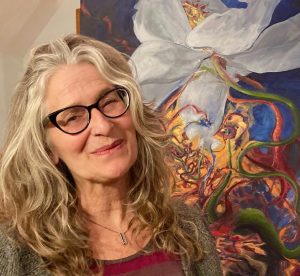 Deborah Burke has completed her 200-hour, 500-hour advanced yoga, and 20-hour Love Your Brain training for healthcare professionals certifications. Currently, she is a yoga therapist in training with the Institute for Living Yoga. She has 20+ years of experience as a community-based, social justice educator and is currently a professor at Portland State University, where she facilitates a capstone course titled Communal Art Practice within a Brain Injury Community in partnership with Brain Injury Connections Northwest.
She is interested in offering accessible, trauma-informed yoga to people who have experienced brain injury or other groups of people who may experience barriers to attending a yoga class. Some of her teaching interests include chair or functional yoga; yoga for anxiety/depression; yoga to address compassion fatigue for healthcare workers, social service providers, and social justice leaders and activists; and yoga integrated with art.
References
- Schwartz, A. 2024. Applied Polyvagal Theory in Yoga: Therapeutic Practices for Emotional Health. New York: W.W. Norton & Company, Inc.