The Practice of Yang Shen, 養生, Nourishing Life
Have you ever wondered how best protect yourself from illness in the fall? Why you feel like sleeping for long hours in the winter? Or maybe you notice a desire to do a seasonal cleanse in the spring? We are all at the mercy of the seasons, and when we live in harmony with our environment our physiology responds and we feel that much more balanced.
The Chinese practice of Yang Shen, 養生, Nourishing Life, is one of ancient origins, with roots in Daoist philosophy. One of the oldest texts in Chinese medical literature from 475-225 B.C, the Yellow Emperor’s Classic of Internal Medicine, talks about how people lived to be 120 years old.
They, “followed the pattern of heaven and earth…ate and drank with moderation on a regular basis. They worked hard but avoided excessive fatigue. For this reason their spirits and bodies always remained in perfect harmony with each other.” -Su Wen, Chapter 1
Known as the 7th century “great physician,” in Chinese medical history, Sun Simiao, broadened the reach of longevity practices to reach not only male physicians of the time, but also brought in knowledge of the female body and the needs of pediatric patients. In one way, he spearheaded the packaging of preventative medicine into a clear set of practices that could be performed regularly for health.
Keep reading for part 2 of “Longevity Practices for Spring”.
Eating with The Season
In Chinese dietetics, food recommendations change based on individual needs as well as the season. The Chinese understood how to work with the interplay of the human being’s physiology within its environment: seeing us at integral, rather than separate from the natural world. Basic principles of Chinese dietetics include the following:
- The delicate balance of Yin and Yang can be moderated with diet
- Clear excess
- Nourish deficiency
Seasonal eating attunes the body by supporting a natural and inherent change in our environment, dispelling the old and preparing for the new. It is a form of internal preparation. By practicing the art of noticing subtle changes in our environments and shifting our behaviors to be in alignment with that, we can “wake up” and remember what we truly need to maintain health. Cultivating harmony, cultivates instinct. Our body knows what it needs, but we are inundated with so many distractions and have been exorcised from our inherent connectivity with nature. Supporting the rhythm of nature within us, promotes stability and prevent chaos, i.e. prevents illness and allows for the our physiology to naturally align around health and well being. These dietary choices allow homeostasis to be the ruling force.
Spring is the Season for Sweet Foods
In the Spring, and in every season, sweet foods are encouraged to create balance. This is not sweet, like sugar, though. The sweet flavor from this perspective is the sweetness of rice and other grains. It is a mild sweetness, and can easily be overdone nowadays with processed foods and added sugars. Watch out for these, as they can damage the Spleen and Earth element (which is most clearly evidenced by your digestive health, but not limited to this). A damaged Spleen can also show up as fatigue, brain fog, phlegm, loose stools, mucus in the stool, or undigested food in the stool.
With current trends in gluten-free foods and paleo diets, while not bad, limit intake of complex carbohydrates, which are necessary to nourish the Earth organs. Grains, especially whole grains in diverse forms like rice, quinoa, barley, oats, buckwheat, sorghum, couscous, rye, einkorn and spelt are a staple foods for the sweet flavor. You might try a new morning recipe for a steel cut oatmeal or congee to support the Earth element. The sweet flavor is so essential to life, that it is indicated in every season, a testament to how grains are the basic building blocks of life. The sweet flavor is inherently harmonizing, and the spring is all about creating harmony.
Support your Digestion with These Tweaks
The temperature of the food matters. And by temperature, we don’t just mean the physical temperature of the food, but its Qi. Qi is the quality of hot or cold based on the effect the food has in the body. The temperature of foods exists on a spectrum of hot-warm-neutral-cool-cold. While foods on the hot end of the spectrum are moving, and stimulating they can also irritate conditions of excess heat or food stagnation. Foods that are cold have a slowing, condensing action in the body. This can prevent adequate digestive movement if someone already is deficient or lacks vital heat.
General recommendations for the spring include:
- Eating foods that are warm/neutral/cool, bland, and easy to digest.
- Avoiding foods that are too hot (spicy, fried) or too cold (iced drinks, raw vegetables)
- Increase mildly sweet foods
- Decrease sour foods
- Sauté (as well as other activating styles of cooking like steaming) as opposed to roasting or baking. This preserves some of the fresh, spring energy to the foods you are cooking.
- Don’t drink a lot of alcohol
- Avoid eating too many flour products. This harms the earth organ networks.
- Especially in the elderly: don’t overeat on an empty stomach.
Nourishing the Liver & Gallbladder
Sour is the flavor associated with the wood element and in moderation, nourishes the Liver and Gallbladder. These organ networks are already supported by the seasonal energetics. They can easily tip into excess with ingestion of too many sour foods. Alcohol also can cause heat in these organ networks, which is why its advised to enjoy only in moderation during this season.
The next season is the summer, where the Earth organ networks are the primary organs, the Spleen and Stomach. There are many recommendations here to support these earth organs in preparation for the season ahead and to temper the effects of potential excess in the wood organs.
Beating Spring Allergies with Chinese Herbal Medicine and Dietetics
As naturopathic physicians and Chinese medicine providers, why do we start talking about allergies in the winter? When given 6 months or more to prepare for the season, we can build our immune tolerance and prevent acute outbreaks more effectively. From a biomedical perspective, the immune system takes time to respond to many allergy treatments. From a Chinese medical perspective, we best prepare for what’s ahead, the season before. It’s this early intervention and prevention that can prevent allergy symptoms or lessen their severity.“
If disease or disorder has already arisen and only then does one try to rectify it, this is like waiting until you are thirsty to dig a well, waiting until a war breaks out to forge weapons. By then its too late.”
-Huangdi Neijing Suwen 2
Spring Nettle and Fragrant Flowers Tea Recipe
Here is a recipe for Spring Nettle and Fragrant Flowers Tea to support allergy relief. This tea is great for anyone who suffers from spring allergies with itchy eyes. It soothes, clears out excess heat and gets the qi moving.
Nettles are well known for their capacity to enrich Liver yin, nourish the blood, regulate metabolism, promote detoxification and fight allergies. They are also beneficial during pregnancy and afterwards to boost breastmilk production. Add steamed fresh nettle leaves to soups, or quickly braise or sauté them as a side dish.
Fragrant dried red rose buds are slightly warming and gently pungent, so they move the Liver qi – which is just what you want in springtime. They open the body and mind up, stimulating the senses and stirring the heart .
This beautifully aromatic, clean-tasting tea will leave you refreshed and feeling calm. It’s recommended to use dried rose buds for their concentrated flavor and fragrance in this tea.
- 4 tsp dried nettles
- 4 tsp food-grade dried red rose buds
- 2 tsp dried chrysanthemum flowers
In a small saucepan, bring 4 cups (1 L) water to a boil. Remove from heat. Stir in nettles, rose buds and chrysanthemum flowers. Let stand for 5 minutes. (Makes 4 servings)
Consider consuming the following tea daily to to mount a healthy response to the outpour of pollen this spring.
For more seasonal recipes and education on Chinese Dietetics, try reading Nutritional Healing with Chinese Medicine by Ellen Goldsmith, LAc.
Movement Practice/Exercises for the Spring
A Simple Qigong Practice for the Spring
Spring is associated with the wood element and its corresponding organs, the Liver and Gallbladder. The Liver organ governs the smooth flow of qi, preventing pain and stiffness. It houses the Hun spirits, which means it helps us to fall and stay asleep. It also stores the blood, making it essential for healthy menstruation and is also implicated in the 3rd trimester of pregnancy. You can get clues about the state of your Liver through the health of your tendons and nerves. But as in all forms of medicine, the information is layered, complex, and highly individual. So make sure to see an experienced professional about their specific recommendations for you. The Gallbladder is all about clear direction, decision-making, and in terms of its physiologic function, is most similar to the anatomical gall bladder.
Whether you think that one of these organ systems may be out of balance for you or not, tending to these organ networks will help you to maintain balance and harmony overall.
Do this qi going exercise to regulate these organ’s ascending and descending functions; to take in the new and expel the old:
- Place your hands, palms facing out, at chest level.
- As you exhale, turn your head to the left and extend your arms outwards.
- As you inhale, turn your head to the right and bring your arms back in.
- Repeat this motion, taking care to rotate from the base of the spine to move your head.
Come Alive with Movement, Just Like the Plants
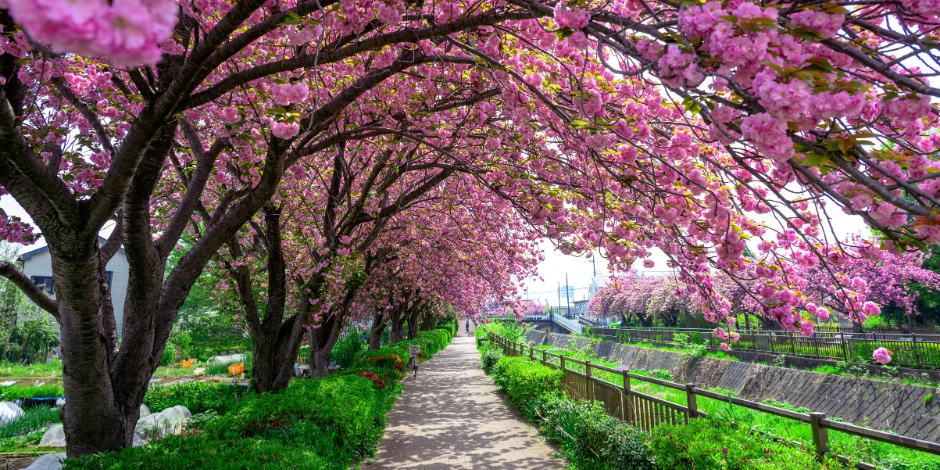
To consciously engage with the attitude and energy of spring, all you have to do is get outside. It’s a time to go for more walks and hikes. To start moving and coming alive again just like the plants are. Engage your senses in the sights, smells, and textures of the natural world. Take a deep breath of the fresh air outside now that the frost has thawed and the birds are starting to sing again. The days are growing in length, and with longer hours of sunlight, comes a growing brightness within.
Here are some Spring recommendations from the seasonal tableaux by Gao Lian, a 16th century poet and medical scholar who was an ardent proponent of the art of nourishing life, translated by Heiner Freuhauf. Though seemingly simple, many of them can have profound effects when performed with regularity.
- Health Promoting Activities: rest at night, get up early, stride freely throughout the courtyard, let your hair down, indulge in a morning stroll, decrease clothing layer by layer (not all at once).
- Activities with Health Risk: sit and dwell on things (stagnation, depression), especially in the elderly, not wearing warm clothes when the weather fluctuates.
- Primary Cautions: foster all life, do not kill, be generous and agreeable, give freely and do not punish, both spring and autumn are seasons of change and in particular, diseases surface during these times.
- Harmonize Daily Actions: roam through gardens and forests, sit leisurely in scenic kiosks, take in the tranquil sites of nature, open up your heart, get rid of stagnant energy, encourage the budding qi of birth, life, and renewal to flow.
Thinking Ahead
With these practices in mind for this coming season, reflect on how spring typically feels for you. How is it challenging? Easeful? Remember that this is the season of the Free and Easy Wanderer. Hold the spirit of this archetype when you notice anger or agitation building and allow your qi to flow with open-hearted curiosity. This is an invitation to pay attention to your body, your loved ones, and the world around you.
These practices are of course potent when performed alone. But when they are performed in community with others, the effect is amplified (not to mention the bonus of accountability!). You are always welcome to join us at Heart Spring Health for yoga, meditation, breath work, qigong, and for medical care; otherwise, ask a friend, family member, or join another mindful group in one of the above areas for additional guidance and support in building on these healthful lifestyle practices.
To read part 1, click here.
References
- Maoshing Ni. The Yellow Emperor’s Classic of Medicine : A New Transl. Of the Neijing Suwen with Commentary. Shambhala; 2011.
- Bisio T. Eight Winds in the Heavens: Seasonal Health Secretes and Qi Gong Exercises from Daoist Sages that Prevent Disease and Promote Optimal Health and Vitality; 2024
- Goldsmith E, Klein M. Nutritional Healing with Chinese Medicine : +175 Recipes for Optimal Health. Robert Rose Inc; 2017.
Meet the Author
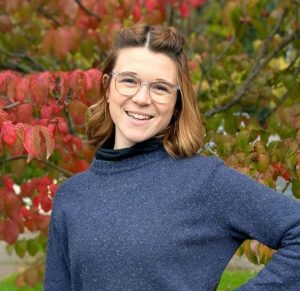 Miquella Young is a naturopathic doctor and licensed acupuncturist whose main goals are to dive into the deeper messages that lie beyond her patients’ pain, trouble sleeping, anxiety, or depression. She understands that many people may have the same diagnosis as each other, but maintains that the way they express that diagnosis is unique to them. Dr. Young focuses more on her patients’ unique expressions, habit patterns, and cycles of illness and health than the disease labels they have been given.
To schedule an appointment with Dr. Young, call 503-956-9396 or contact us now to schedule an appointment today.