Part 1 of the Seasonal Attunement Series by Miquella Young, ND, LAc
Have you ever wondered how best protect yourself from illness in the fall, or why you feel like sleeping for long hours in the winter? Or maybe you notice a desire to do a seasonal cleanse in the spring? We are all at the mercy of the seasons, and when we decide to live in harmony with our environment, our physiology responds and we feel much more balanced.
The Chinese practice of Yang Shen, 養生, Nourishing Life, is one of ancient origins. One of the oldest texts in Chinese medical literature from 475-225 B.C, the Yellow Emperor’s Classic of Internal Medicine, talks about how people lived to be 120 years old.
They, “followed the pattern of heaven and earth…ate and drank with moderation on a regular basis. They worked hard but avoided excessive fatigue. For this reason their spirits and bodies always remained in perfect harmony with each other.”
-Su Wen, Chapter 1
Known as the 7th century “great physician,” in Chinese medical history, Sun Simiao, broadened the reach of longevity practices to reach not only male physicians of the time, but also brought in knowledge of the female body and the needs of pediatric patients. In one way, he spearheaded the packaging of preventative medicine into a clear set of practices that could be performed regularly for health.
How To Protect from Illness in Winter
From a Chinese perspective, protection from illness in the winter starts with resourcing and nourishing ourselves in the fall. So in winter, we can prepare for health in the spring; bolstering our inner fire so that we can burst forth with the same energy as the blossoming plants.
Avoid Cold, Seek Warmth
Winter is a time to protect our inner warmth by getting a lot of rest and not excessively exposing ourselves to the cold. Think about how many animals are less active in the winter, hibernate, or otherwise are in a state of storage. This season is a time of storage.
Staying indoors can protect you from harsh cold and wind. Cold is one of the most predominant external causes of disease in this season, and so is wind. As you can, take caution of these elements. Layer up with padded clothing if you must go outside at an early hour to avoid “frost assault.”
In Chinese medicine, the neck is an important area to keep covered with a scarf or collar; since many of our most immune-vitalizing channels run through here, it is vulnerable when exposed. An invasion of cold or wind to the area can cause headaches, neck pain, or carry pathogens that cause upper respiratory infections.
Moderate Your Acquisition of Heat
Chinese medicine is a medicine of balance. We can better support our body in finding this perfect balance by metering hot and cold, activity and rest. To promote a healthy amount of internal warmth, gradually add layers of clothing as the season progresses. And, even though we want to stay warm in the winter, too much heat can create too much openness in the pores, making our bodies receptive to illness.
Heat tends to accumulate in the body during this season. Strive to moderate activities that cause excessive sweating as well as sex and consumption of baked foods, meat, and flour products. These heating activities and heat-producing foods can create a blockage at the level of the heart or diaphragm, preventing the upward rising of Spring’s germinating forces in your body, which might show up as your desire to set new health goals or try a new activity in the spring.
Though it might feel nice to warm your hands or feet over a fire, Chinese practices of Yang Shen counsel against it, alongside grilling food over an open fire. Hot things don’t cure cold diseases, but a return to a neutral, homeostatic place does. Instead, layer yourself with blankets or take a warm bath. These practices will retain your body’s moisture and promote the fullness of your circulation instead of the drying effect that fire can create.
Mindfulness Activities for Winter
Winter is a time of quietude. We do this by engaging in activities that are less outgoing and energy intensive. You might find that this is quite intuitive. To store the “Shen” (the most refined part of our physiology; our spirit), choose to engage in social activities that are not stressful and promote more ease in your life. It is not a time of obligations, though this goes against the socialized holiday-rush that many get swept up into.
Rest & Regeneration
Winter is a time of great internal activity, and it holds the potential for a lot of regenerative healing if we allow our body’s resources to be directed inward. This may be a time to start a reflective practice of meditating, writing, reading, or listening to music; anything that allows you to spend time with yourself.
In winter, we can prevent illness in the spring by going to sleep early and rising late. The trope is to, “get up only after the warming rays of the sun appear.” This will support your body in storing your resources over the cold months. It’s a great season for settling down with leisure in the evenings and focusing on cultivating a slow, nourishing self-care routine around bed time.
Preventing Depression
In Chinese Medicine, the heart helps us to feel joy. In the winter, we can engage in activities that promote heart regulation to prevent seasonal depression and low mood. The heart has a tendency to “plunge into a state of disharmony” and is best addressed with this preventative approach.
What lifts the heart can be different for everyone, but you might choose to drink herbal hibiscus tea or use essential oils like geranium or lavender that are uplifting to the spirit. You might also choose to take daily walks or soak your feet with warm-to-hot water with massage to the feet and ankles to maintain healthy blood flow through the chest.
Dietetics for Winter
In Chinese dietetics, food is looked at through a qualitative lens and each food is given a flavor and temperature based on how it acts in the body. Winter is a time to choose foods that are neutral or warm in temperature, as well as moistening foods. Cooking styles also make a difference in the quality of energy our food has; roasting and baking foods, and longer cooking times promote an inner warmth as well.
What Foods Do I Eat?
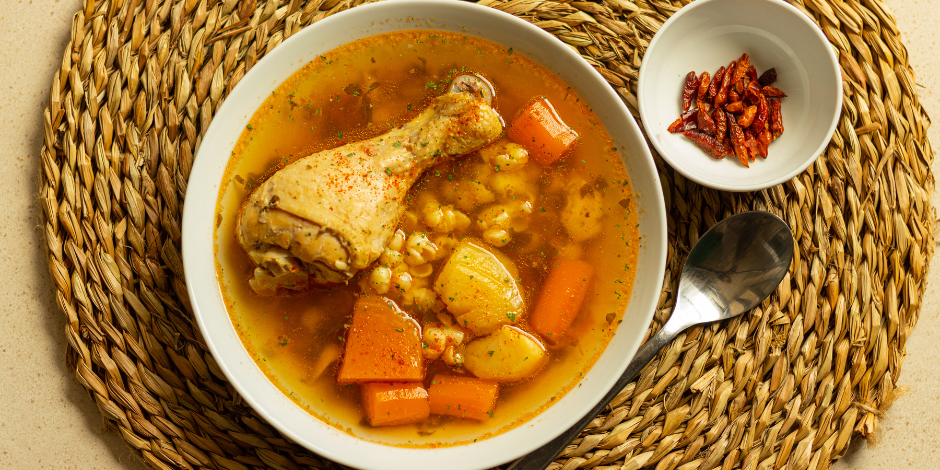
Any foods and drinks that warm the body and repel cold are useful. Consider a ginger-date tea, a hot-pot meal, or a stew with hearty, earthy vegetables like carrots and sweet potatoes. When in the latter winter months of December and January, choose high energy foods like lamb, beef, fish, dairy, tea, and coffee. Other foods that promote an inner warmth include animal foods, walnuts, warming spices and herbs. You can also incorporate tonic herbs into soups and tonic herbal wines in small amounts to expel cold.
Slower cooked stews and oats are also moistening. So are napa cabbage, tofu, and Chinese black mushrooms. These foods protect the fluids in your body and promote healthy circulation in a time of the year where we may not be as physically active.
Thinking Ahead
The Chinese new year usually falls at the beginning of February, corresponding with the beginning of spring. It’s a time to start preparing for the next season ahead. As a teaser, support your body through the transition by decreasing salt intake and eating more sprouting vegetables. These foods mimic the ascending and spreading energetics of the spring season.
Enjoy this season of rest to the best of your ability, and when spring comes, be sure check back for the Spring edition of this seasonal attunement series!
Meet the Author
 Miquella Young is a naturopathic doctor and licensed acupuncturist whose main goals are to dive into the deeper messages that lie beyond her patients’ pain, trouble sleeping, anxiety, or depression. She understands that many people may have the same diagnosis as each other, but maintains that the way they express that diagnosis is unique to them. Dr. Young focuses more on her patients’ unique expressions, habit patterns, and cycles of illness and health than the disease labels they have been given.
To schedule an appointment with Dr. Young, call 503-956-9396 or contact us now to schedule an appointment today.