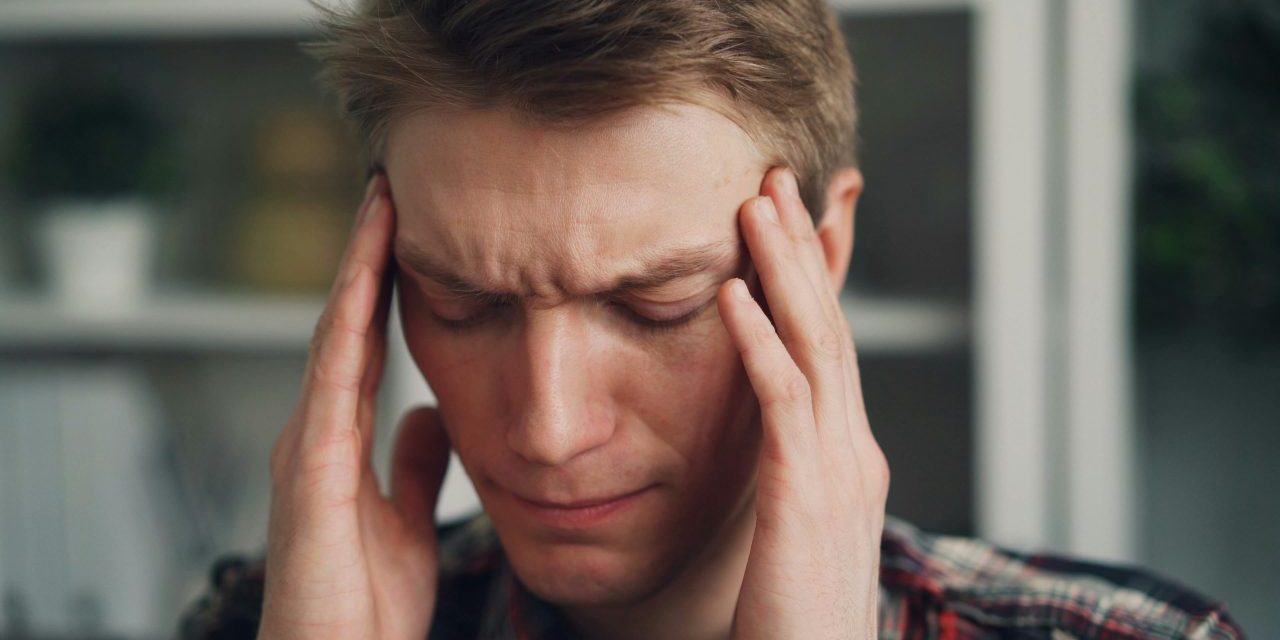
Marijuana has become increasingly popular over the past decade. With legalization and recreational dispensaries now found on nearly every corner, cannabis use is skyrocketing. It’s often seen as relatively benign, especially when compared to alcohol or tobacco, however the data is not particularly supportive of this.
One key issue is that the harms and side effects of regular marijuana consumption often aren’t as visible or immediate as those of chronic alcohol or tobacco use. Yet over time, cannabis can cause or contribute to profound negative physiologic, mental-emotional, and spiritual effects. This can be especially true for individuals who utilize it daily or nightly. The addictive aspects of weed are well documented. It’s likely that you know friends or family who have dealt with addiction to pot or have had personal experience yourself.
This article is not meant to demonize weed or judge those who have a relationship with the herb. Instead, my aim is to shed light some of the lesser-known side effects of weed, to help people live with greater clarity, vitality, and intention. I’ve seen countless individuals transform their health and lives by simply changing their relationship with cannabis.
Is weed affecting your mental health?
Habitual cannabis use is linked with a range of mental health concerns, particularly among adolescents and individuals predisposed to serious mental health problems. These risks include:
- Heightened anxiety, including social anxiety
- Cognitive impairment and memory loss (short term and long term)
- Increased incidence of psychosis and affective disorders
- Disruption of sleep architecture, particularly with chronic use
- Dependency for emotional regulation, sleep, and appetite
- Withdrawal symptoms
These neuropsychiatric effects can impact emotional resilience, interpersonal connection, self-awareness, and long-term cognitive health.
Hormonal Havoc?
Cannabis affects the endocrine system in subtle but significant ways:
- Reduced female fertility and adverse pregnancy outcomes
- Decreased testosterone, which has so many downstream impacts
- Lower sperm count and decreased sperm function
- Blunted stress response with chronic use
- Reduced thyroid hormone levels with acute use
- Increased risk of insulin resistance, visceral fat, and prediabetes
- Increased risk of stimulant overuse or dependance
There is also concern about potential cannabis-related pancreatic dysfunction and a modest increase in fracture risk, likely due to its impact on bone metabolism.
 Heart and Lung Health
The cardiovascular effects of cannabis are well-documented and are becoming increasingly concerning:
- Elevated risk of heart attacks and abnormal heart rhythms
- Possible increased risk of stroke, particularly in middle-aged adults
The American Heart Association has emphasized the connection between cannabis and adverse cardiovascular events. As a physician, I find this particularly alarming given how prevalent high-dose cannabis use is in the patient populations that I work with.
Respiratory harms are also significant, especially when cannabis is smoked:
- Chronic bronchitis
- Lung cysts and decreased lung density
- Possible increased risk of respiratory cancers
- Smoking any plant matter—cannabis included—introduces toxins that can damage the lungs, heart, and blood vessels.
Cannabis extract vaporizers are particularly concerning due to the significant toxic burden and fact that they’re incredibly convenient and often viewed or touted as being less harmful than combusting plant matter.
Cancer Risk and Genetic Impact
Cannabis has been associated with cancer at multiple body sites. Mechanistic research suggests:
- Genotoxicity and epigenetic disruption
- Accelerated cellular aging
- Increased risk of congenital anomalies when used during pregnancy
The Social and Emotional Costs
Beyond the physical effects, cannabis often impacts emotional processing and interpersonal connection. This can be remarkably detrimental for certain individuals.
Chronic use is associated with:
- Emotional dysregulation and poor reactivity
- Social isolation, often as individuals retreat into environments where they feel more comfortable being under the influence
- A narrowing of social networks, which undermines community—a critical predictor of long-term well-being
Over time, many users find that instead of enhancing life, cannabis begins to dull experience, reduce motivation, and erode emotional clarity.
Appetite, Metabolism, and Disordered Eating
While “the munchies” are often viewed as being fun and benign, habitual cannabis use is linked with:
- Disordered eating behaviors
- Increased risk of frank binge eating disorders
- Dysregulated appetite and excess nighttime eating which can disrupt metabolic health and sleep patterns, which consequently has even downstream effects
- Association with cannabis withdrawal syndromes, nausea, and chronic vomiting syndromes
- Dependence for appetite stimulation
These effects are often overlooked but can significantly impair physical and emotional wellbeing over time. Our relationship with food is so vital to our wellbeing, and this can be near impossible for some to achieve if they’re utilizing cannabis daily.
Is Weed Helping or Hindering Your Sleep?
Many turn to cannabis as a sleep aid. However, there is not high-quality evidence for its use as a broadly effective and benign sleep aid. Chronic use can:
- Reduce REM sleep
- Impair sleep quality, even if it helps initiate sleep
- Lead to dependency, where sleep becomes difficult without it
- Affect dreaming, which can be viewed as a conduit for mental-emotional and spiritual processing
This pattern mirrors the effects seen with alcohol. What may help short-term can sabotage restorative sleep in the long run.
A Compassionate Call to Reflection
I’ve worked with many patients who believed cannabis was helping them—until they stopped and realized how much better they felt: clearer, more focused, more emotionally regulated, more content, happier, more playful, and more motivated.
I’m not here to shame or prescribe a one-size-fits-all solution. Cannabis may have a place in a healthy lifestyle, just as alcohol can. But that relationship must be built on a strong personal foundation—one that promotes healing and wholeness, not dependence. If cannabis is to be utilized regularly, smoking or extract vaporizers (especially single use) are likely worse than edibles/tinctures or high-quality herbal vaporizers such as a “volcano” or a similar device. The caveat here is that regardless of the mode of consumption, cannabis can expose us to various harmful compounds such as:
- Pesticides
- Plant Growth Regulators
- Mycotoxins/Mold/Mildew
- Residual solvents
- Heavy metals
If you utilize cannabis habitually, I invite you to reflect on its role in your life. Does it allow for you to create more distance from yourself in a negative manner? Are you using it to expand your experience—or to escape it? What does it provide for you emotionally, spiritually, and physically?
Reclaiming Your Potential
Our habits shape our lives, and every relationship—including the one with cannabis—deserves examination. Every habit and relationship have a role in our lives, and we will often seek change when the time is right for us. I recognize how deeply personal this topic is, and how variability in individuals affects how beneficial or harmful habitual cannabis use may be for the individual.
 If you would like to assess the root of your relationship with cannabis, come see me to explore how we can address your needs in healthier and more sustainable manner.
Dr. Ghanevati’s approach to medicine is rooted in vitalistic naturopathic philosophy that focuses on the body’s innate ability to heal and the fundamentals of health (nutrition, movement, mental-emotional wellbeing, lymphatic flow, toxic burden, and sleep hygiene). Dr. Arvin Ghanevati is a licensed naturopathic doctor and sports medic practicing in Portland, Oregon. Learn more about Dr. Ghanevati.
To schedule an appointment with Dr. Ghanevati, call 503-956-9396 or contact us now to schedule an appointment today.
References:
1.The Blind Men and the Elephant: Systematic Review of Systematic Reviews of Cannabis Use Related Health Harms.
Campeny E, López-Pelayo H, Nutt D, et al.
European Neuropsychopharmacology : The Journal of the European College of Neuropsychopharmacology. 2020;33:1-35. doi:10.1016/j.euroneuro.2020.02.003.
2. Cannabis and Neuropsychiatry, 1: Benefits and Risks.
Andrade C.
The Journal of Clinical Psychiatry. 2016;77(5):e551-4. doi:10.4088/JCP.16f10841.
3.Medical Marijuana, Recreational Cannabis, and Cardiovascular Health: A Scientific Statement From the American Heart Association.
Page RL, Allen LA, Kloner RA, et al.
Circulation. 2020;142(10):e131-e152. doi:10.1161/CIR.0000000000000883.
4. Adverse Health Effects of Non-Medical Cannabis Use.
Hall W, Degenhardt L.
Lancet (London, England). 2009;374(9698):1383-91. doi:10.1016/S0140-6736(09)61037-0.
5. Acute and Long-Term Effects of Cannabis Use: A Review.
Karila L, Roux P, Rolland B, et al.
Current Pharmaceutical Design. 2014;20(25):4112-8. doi:10.2174/13816128113199990620.